UK Online Casino Brands Continue Launching as Regulatory Costs Rise in 2026
Written by Rosa Schmid · Aug 28, 2026

UK Online Casino Brands Continue Launching as Regulatory Costs Rise in 2026
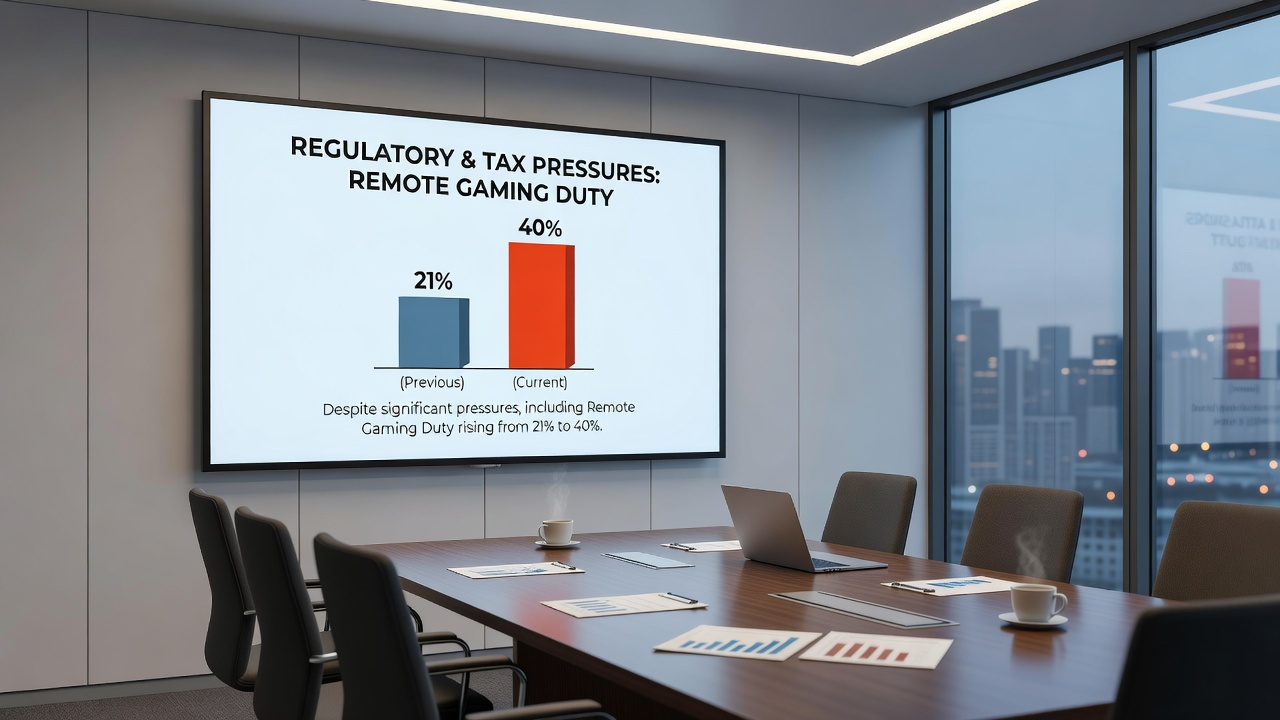
Despite the Remote Gaming Duty increasing from 21% to 40% in April 2026 along with a 25% rise in Gambling Commission licence fees scheduled for October 2026, new UK online casino brands have maintained a steady pace of launches throughout the year. Observers note that these fresh sites typically function as additional skins or white-label brands operating under existing licences held by established platform providers such as Betcrown and 44aces, which allows operators to share compliance infrastructure and keep entry barriers relatively low even as overall regulatory burdens grow.
Regulatory Changes Shape Market Entry Strategies
Data from industry reports shows that the combination of higher tax rates and elevated licensing costs has prompted many operators to consolidate at the licensee level while simultaneously expanding their brand portfolios through white-label arrangements. Those who have studied this pattern explain that platform providers absorb much of the compliance workload, enabling multiple casino skins to launch without each one securing an independent licence or building separate operational systems from scratch. This approach has sustained brand proliferation even though the underlying licensee base appears to be tightening around fewer major holders.
Figures released in mid-2026 indicate that enforcement actions against illegal offshore operators have increased, which in turn has heightened the relative appeal of the regulated UK market for compliant entities. According to analyses published around August 2026, the regulated environment offers clearer revenue pathways and consumer protections that attract operators willing to navigate the elevated duty and fee structures. The result is a market where licensee consolidation coexists with visible growth in branded sites available to players.
White-Label Models Reduce Barriers for New Brands
Many of the newest casino sites operate as skins under licences already held by platform companies, which means shared technology, payment processing, and regulatory reporting structures keep individual brand costs manageable. Experts have observed that this model allows operators to test different marketing approaches and player demographics without duplicating the full infrastructure investment required for a standalone licence. Betcrown and 44aces serve as examples of providers facilitating multiple brands under single licence umbrellas, a practice that has become more common as duty rates and fees climb.
Those familiar with the sector point out that the white-label route also aligns with the Gambling Commission's focus on responsible gambling standards, since platform providers usually maintain centralised compliance teams that monitor all skins under their licence. This centralisation can streamline age verification, anti-money laundering checks, and player protection measures across several brands at once, reducing duplication and supporting the steady introduction of new sites despite the 2026 cost increases.
Market Consolidation Occurs Alongside Brand Growth
While the number of distinct licensee entities has shown signs of contraction, the variety of branded casinos visible to UK players has continued to expand. Research indicates that larger platform holders acquire or absorb smaller operators, concentrating licence ownership while simultaneously rolling out additional casino skins that target niche player preferences or promotional angles. This dual movement creates the appearance of a dynamic market even as control at the licensing level becomes more concentrated.
Statistics compiled through 2026 reveal that the appeal of operating inside the regulated framework remains strong because enforcement against illegal sites has reduced competition from unregulated sources. Operators who choose the licensed route gain access to payment gateways, advertising channels, and consumer trust signals that are unavailable to offshore entities facing increased scrutiny. The result is sustained interest in launching new brands, albeit through cost-sharing mechanisms that mitigate the impact of higher Remote Gaming Duty and licence fees.
Enforcement Trends Support Regulated Market Stability
Throughout 2026 authorities have intensified efforts to limit illegal gambling operations, which has redirected player activity toward licensed platforms. This shift has encouraged existing licensees to introduce new skins that capture different segments of the market without requiring additional regulatory approvals beyond the shared licence structure. Observers note that the combination of stronger enforcement and predictable regulatory expectations has kept the licensed sector attractive enough to offset the financial pressures introduced by the April and October 2026 changes.
Platform providers continue to support multiple brands under unified compliance frameworks, allowing operators to respond quickly to player demand for fresh interfaces, game selections, and promotional offers. The structure keeps operational overhead distributed across several sites while maintaining adherence to Gambling Commission requirements, which explains why brand launches have not slowed despite the documented rise in costs.
Conclusion
The pattern observed in 2026 demonstrates that UK online casino brand proliferation can persist even when tax and licensing expenses increase, provided operators leverage white-label arrangements under established licences. Market data shows consolidation among licensees occurring at the same time that the number of branded sites grows, driven by enforcement actions that strengthen the position of the regulated sector. This balance between shared infrastructure costs and regulatory compliance continues to shape how new casino brands enter the market.